As with anywhere, the trails in Taiwan have their own seasonal characteristics. Indeed, each new time of year you visit will show you a new face, and repeat visitors are rewarded with seeing fleeting floral displays or annual patterns of migration or breeding that not everyone gets to enjoy.
Jump to below the posts to see a calendar of the more popular seasonal spectacles
LINSHAN CAPE COASTAL TRAIL (麟山鼻海岸步道)
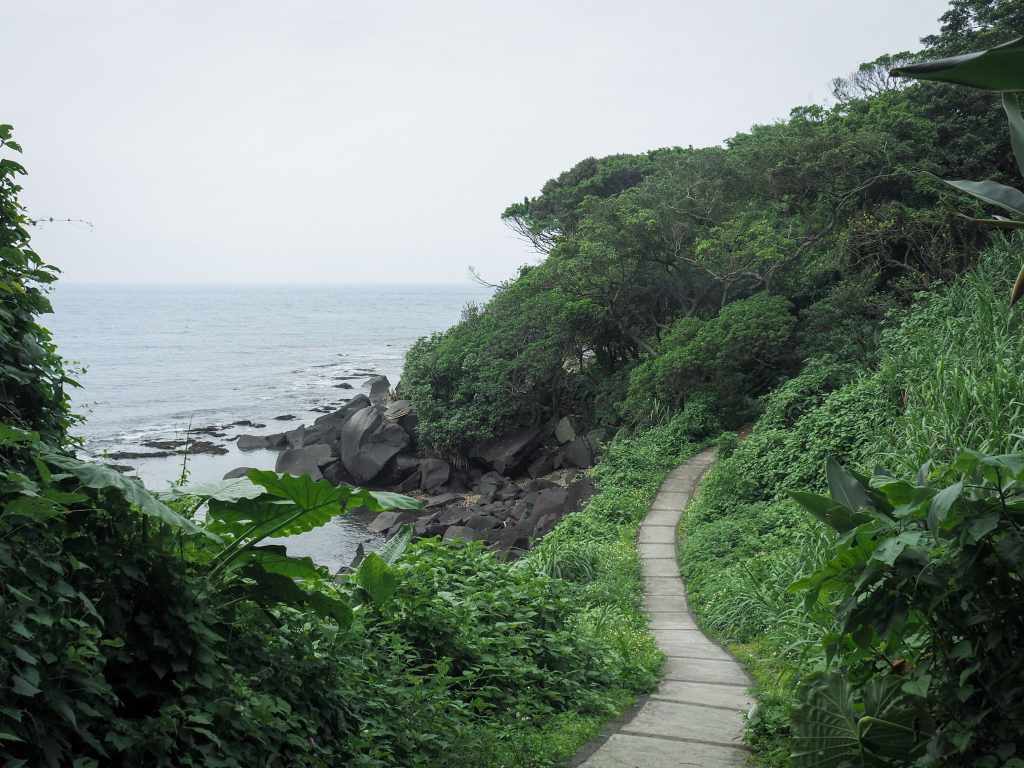 Expect coastal scenery and easy walking on this short loop in New Taipei’s Sanzhi District.
MANYUEYUAN WATERFALLS (滿月圓國家森林遊樂區)
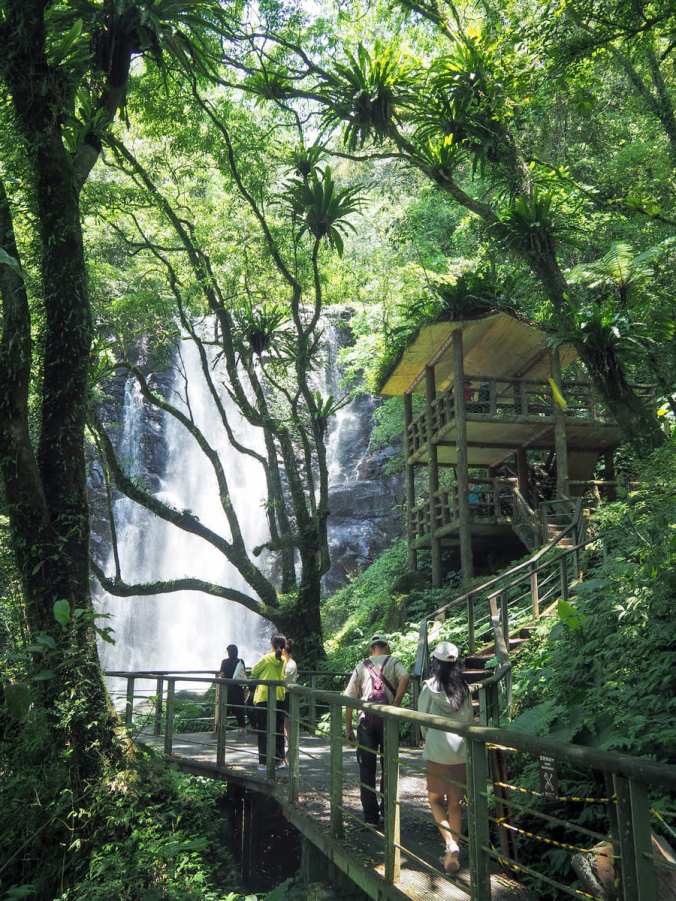 One of two National Forest Recreation areas within the Greater Taipei area, Manyueyuan and its waterfalls is a popular spot for city folk seeking respite from Taipei’s hot summers. The park has abundant greenery, two or three waterfalls, and a handful of easy trails to explore.
XISHAN CANAL TRAIL and PINGJING HISTORIC TRAIL (溪山百年古圳/平菁古道)
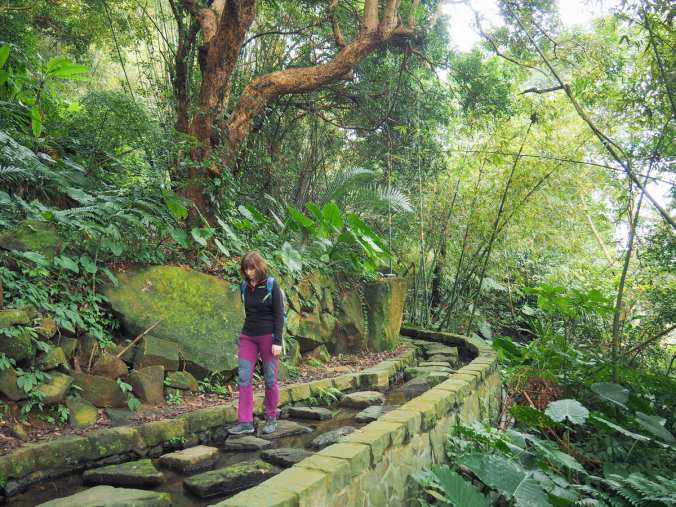 Just up the road from Taipei’s National Palace Museum, Pingjing Historic Trail and Xishan Canal Trail offer walkers a pleasant and shady walk with the promise of coffee and cherry blossom at the top if you visit at the right time of year.
FULONGSHAN TRAIL and GUANYINSHAN TREETOP WALKWAY (福隆山/觀音山林梢步道)
 This trail in New Taipei’s Wugu District is absolutely choc full of cultural interest. It follows a walkway dotted with pretty historic temples before segueing into a wander among the treetops. It’s a perfect little off-the-beaten-track adventure that requires no preparation.
JINGUASHI to BENSHAN GEOLOGICAL PARK LOOP (金瓜石/本山地質公園O型)
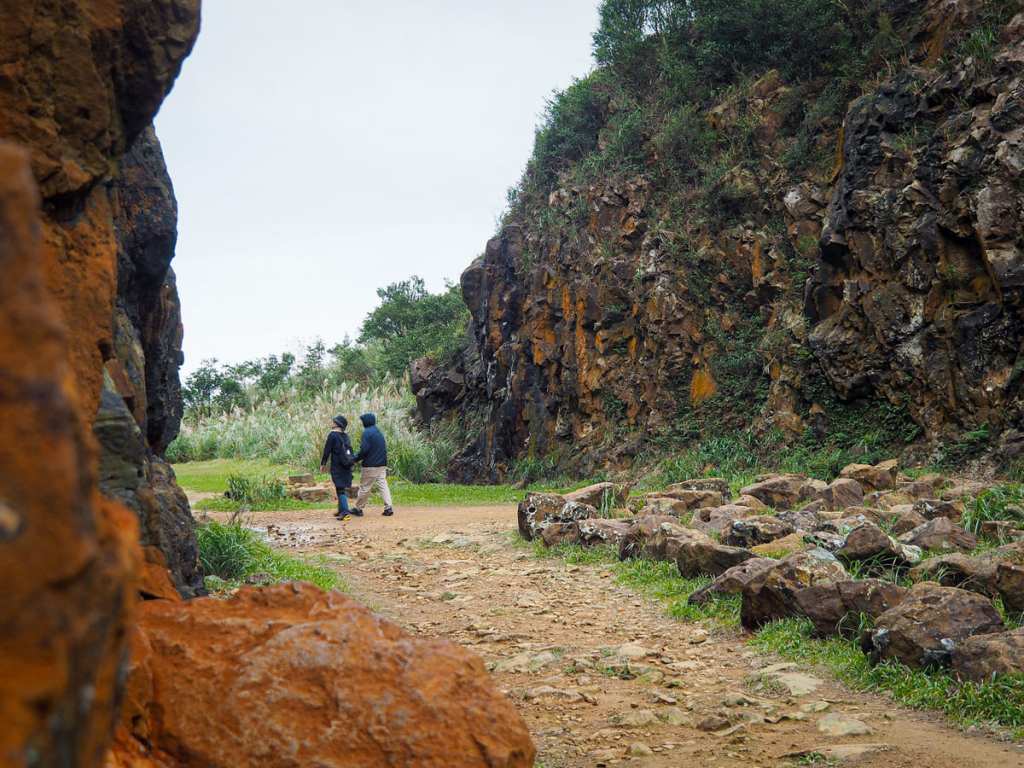 The area around Jiufen and Jinguashi is absolutely riddled with hiking trails — many of which can be found on this site. This latest addition to the collection details an easy-to-moderate walk that takes in some sites of historical and geological interest.
CAPE OF GOOD HOPE (好望角)
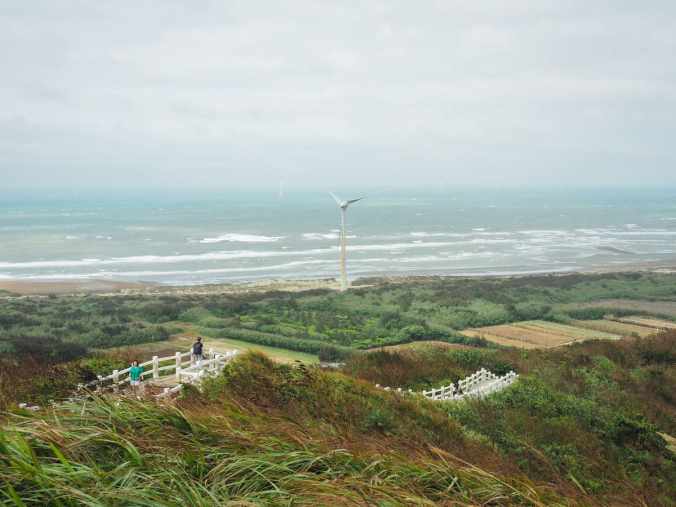 This short almost coastal walk in Miaoli’s Houlong Township has Instagram-famous views, towering turbines, and a converted railway tunnel to keep you entertained. At just under 3km, it’s also a great little way to stretch your legs and/or catch the sunset if you’re passing through on a long drive between the north and the south.
TAIWAN BEECH NATIONAL TRAIL (台灣山毛櫸國家步道)
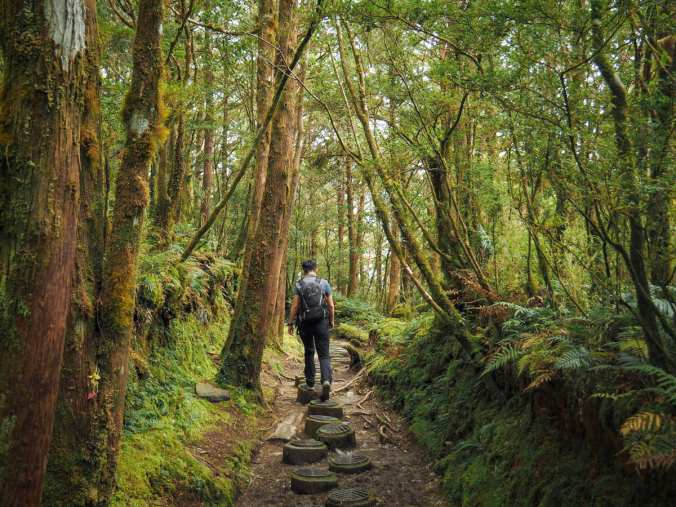 Tucked snuggly into the innermost reaches of Taipingshan National Forest Recreation Area, Taiwan Beech National Trail is a pretty forested walk which takes hikers through an ancient stand of beech trees that is thought to date back to the last Ice Age.
CHERRY BLOSSOM in LOHAS PARK (樂活公園櫻花季)
 Every sakura season, the otherwise non-descript Lohas Park becomes a crowded riot of colour as the full blooms of cherry trees attract hoards of sightseers and photographers. More blossom and some easy walking can be found along the banks of Neigou Creek, which straddles the boundary between Taipei and New Taipei.
CHERRY BLOSSOM at CAOPINGTOU (草坪頭櫻花季)
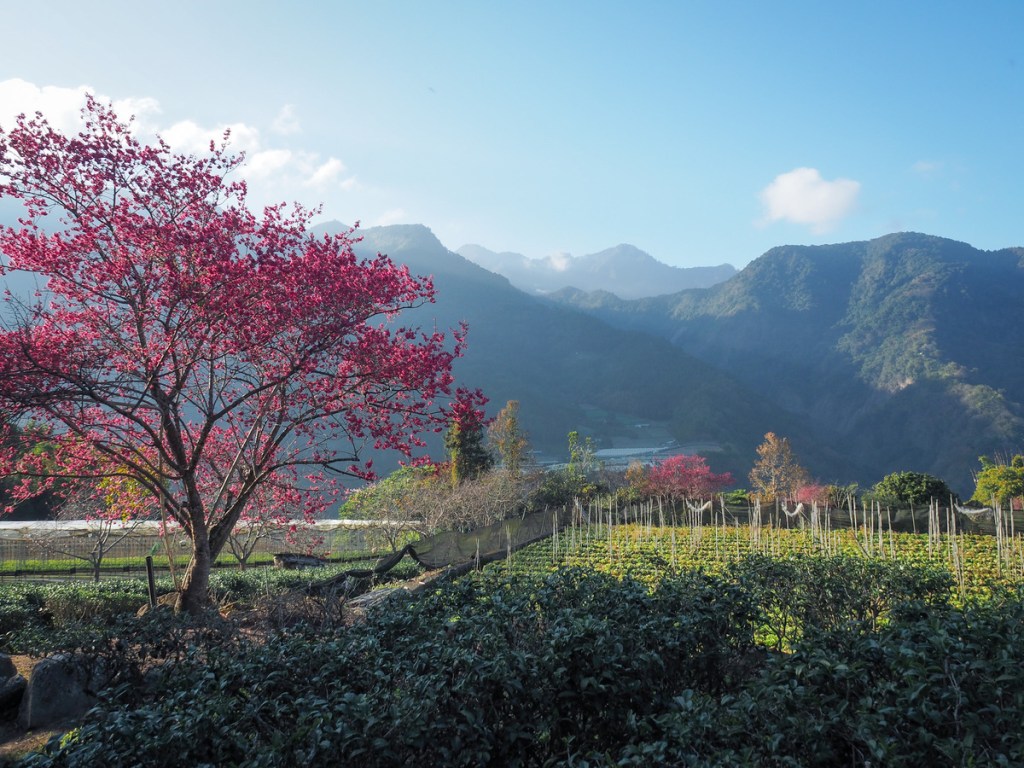 Caopingtou Yushan Tourist Tea Garden is one of Taiwan’s premier cherry blossom viewing spots. Each year, thousands of trees paint the slopes in beautiful shades of pink, drawing in blossom lovers from far and wide.
TAIXINGYAN TRAIL (太興岩步道)
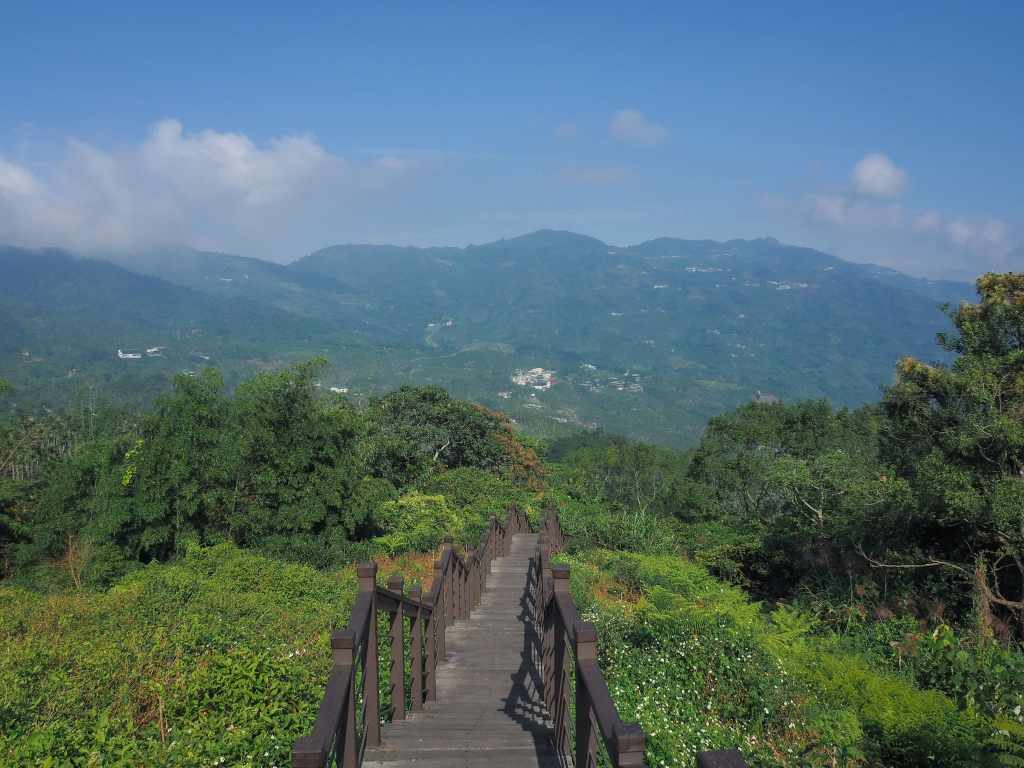 This short walk in Chiayi’s Meishan Township offers pretty mountain scenery and a gentle way to stretch your legs on the drive up to Ruitan or Fenqihu.
JINBAOLI TRAIL (金包里大路)
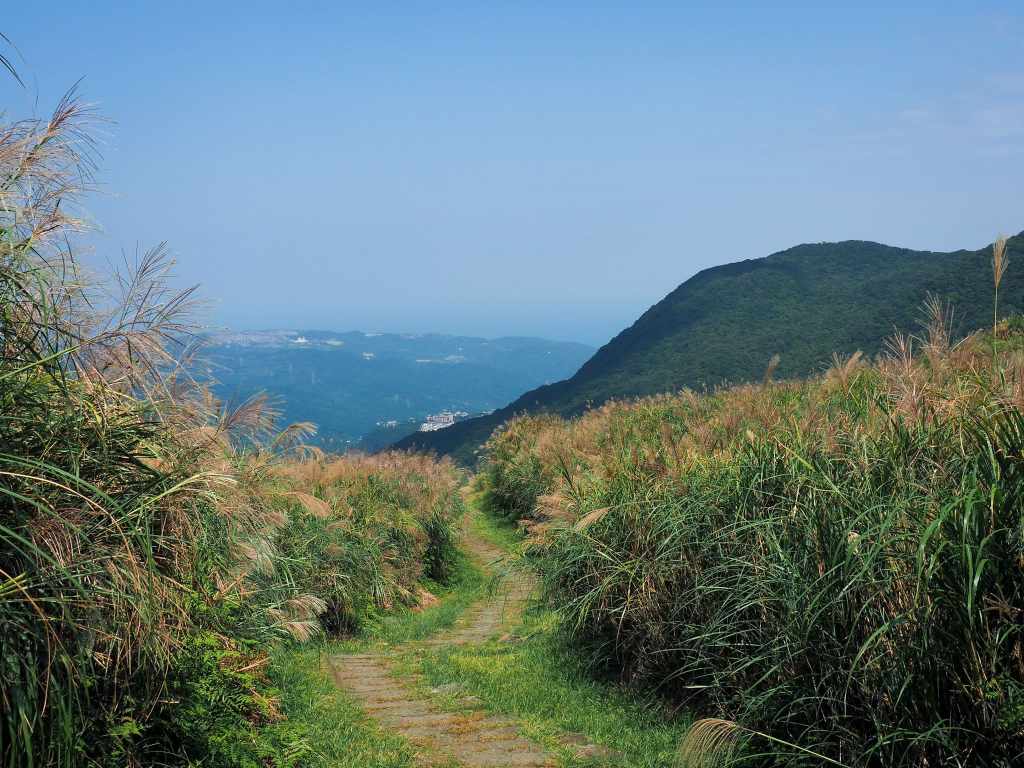 This historic trail in Yangmingshan National Park is a section of a longer trail of connecting Shilin with Jinshan. This section is a beautiful and gentle walk with different types of scenery to enjoy along the way.
MOUNT WANREN and SIXTY STONE MOUNTAIN (萬人山/六十石山)
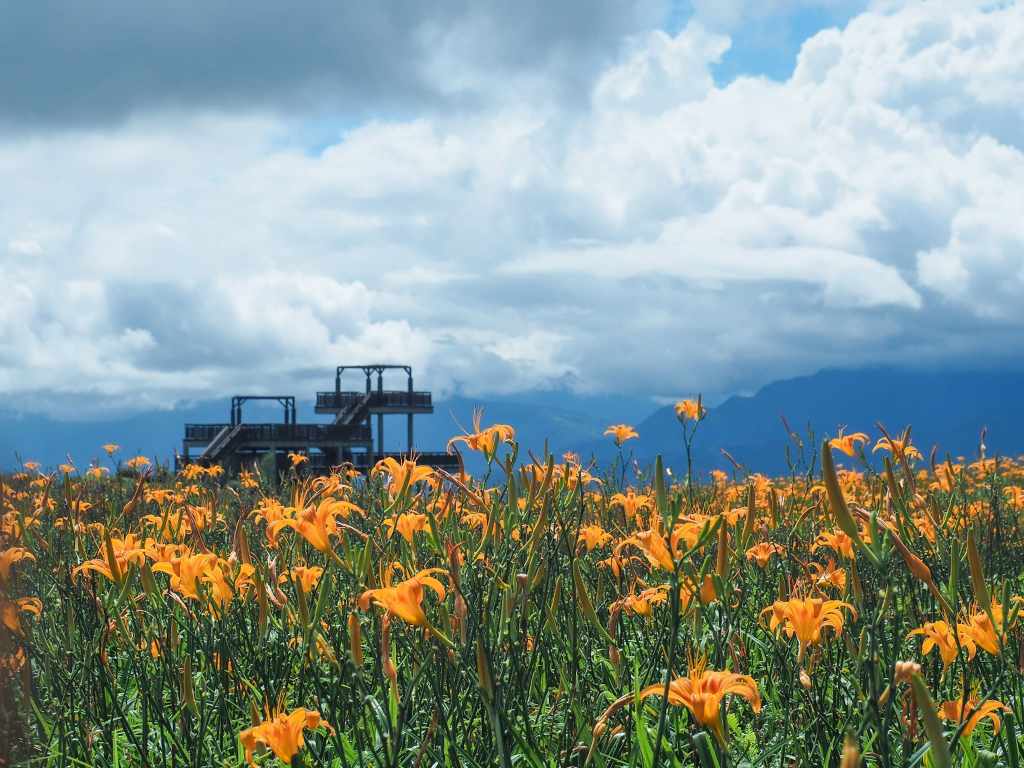 Mount Wanren is an easy Xiao Bai Yue in the south of Hualien County. Although the climb to the summit is short, if you time your trip right, you can combine it with a visit to the spectacular daylily fields on the nearby slopes of Sixty Stone Mountain.
SANZHI TUNG BLOSSOM TRAIL (三芝油桐花步道)
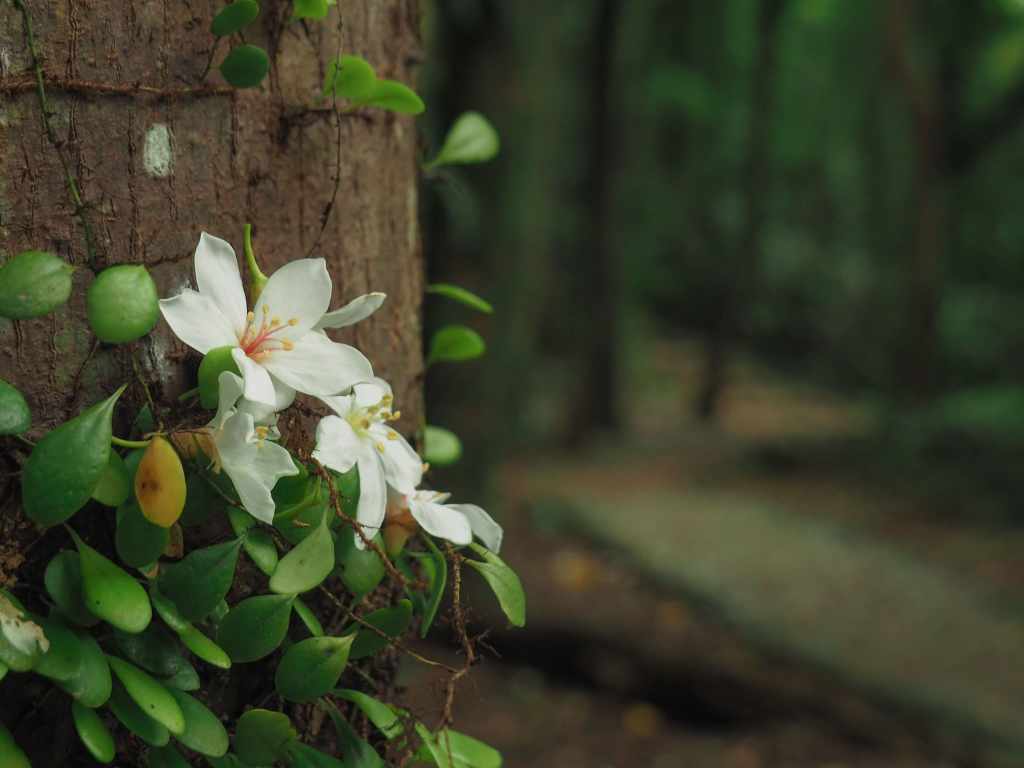 The trail is located in the very northernmost tip of Taiwan, and is a short (slightly hilly) walk with lots of tung trees and some terraced rice paddies to enjoy.
EWEISHAN PADDY TERRACE and PINGJING STREET CHERRY BLOSSOM (鵝尾山水田/平菁街櫻花巷)
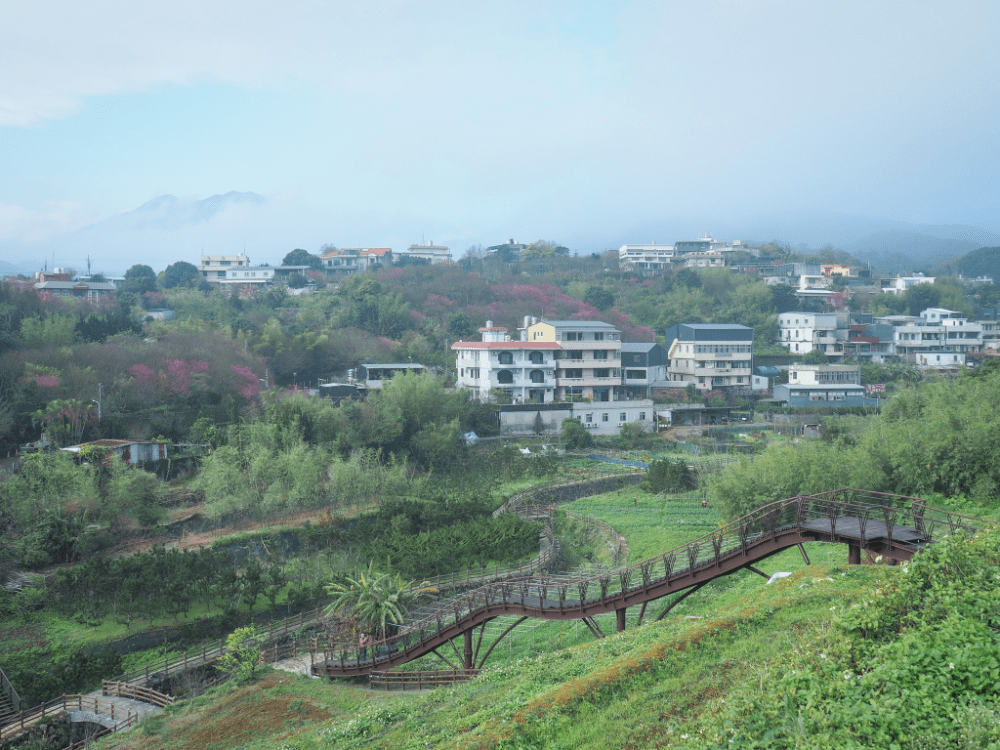 There are lots of cherry blossom viewing spots dotted around Taiwan, and taking a walk to enjoy the pretty pink petals is something that many locals like to indulge in at least once a year. This sakura spot in Yangmingshan National Park is an easy and convenient location to enjoy the pink petals.
TAOYUAN VALLEY via SHIGUANYIN TEMPLE TRAIL (桃源谷步道-石觀音線)
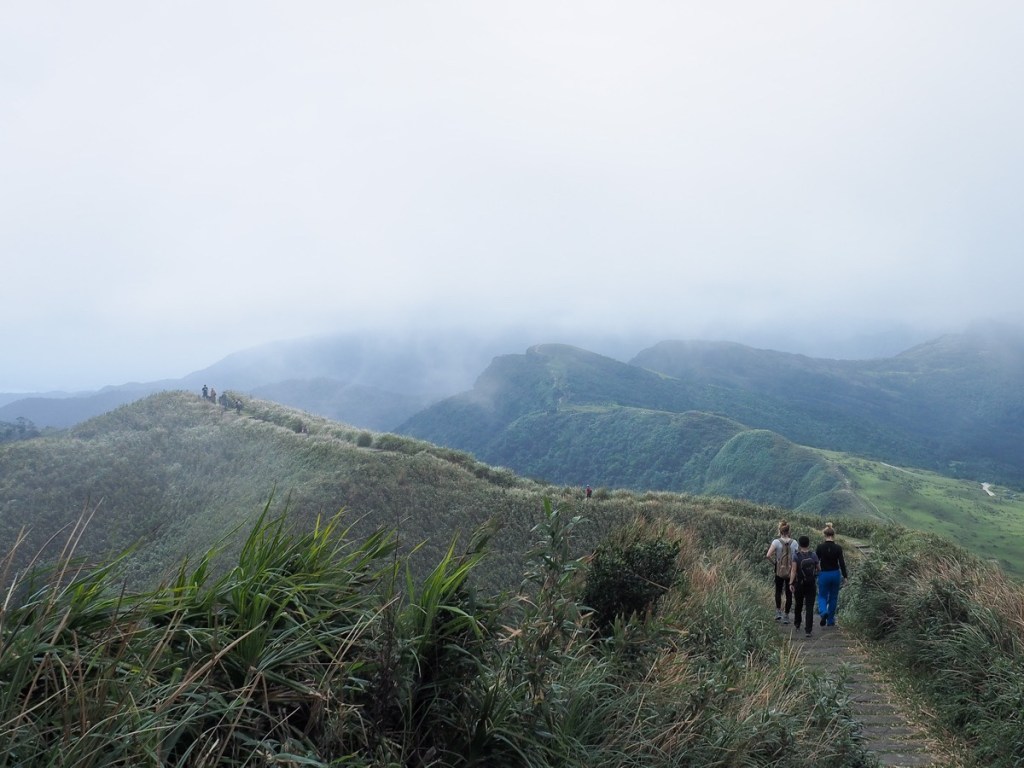 Taoyuan Valley Trail is one of the classic day hikes in northern Taiwan. It offers free-roaming water buffalo and views for days… just be prepared to earn all the enjoyment with plenty of hard work.
CARP HILL NIGHT HIKE (鯉魚山夜爬)
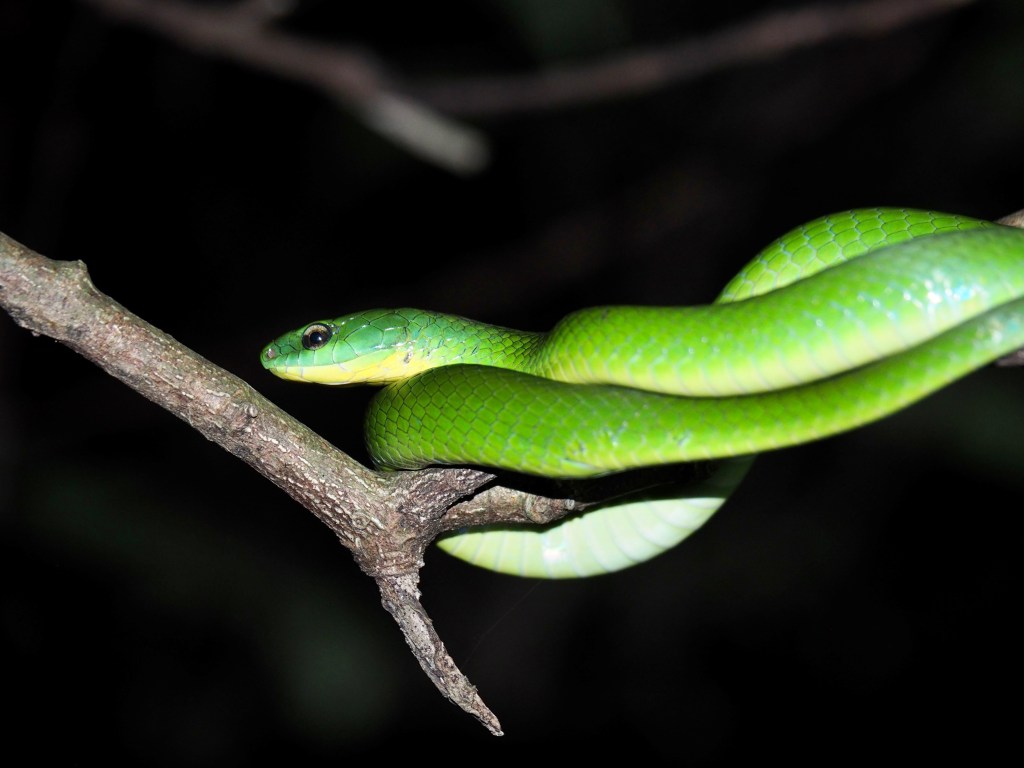 Carp Hill Trail is a lovely walk whatever time of day you go, but I hope this post emboldens you to pay it an after-dark visit. Not only is it home to a wonderfully diverse range of nocturnal critters, but it also has a prettily sparkling night view to enjoy all by yourself.
RENHE TUNG BLOSSOM TRAIL (仁和步道)
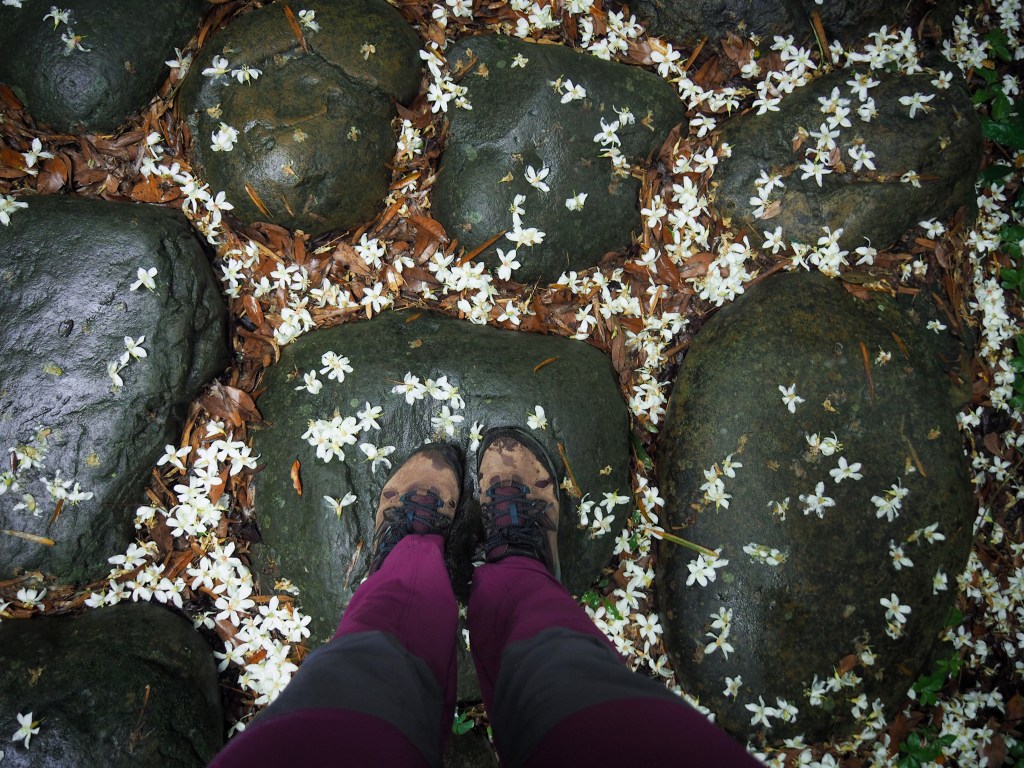 This short trail in Hsinchu is a good place to do a spot of tung blossom viewing. What makes it even more appealing is that the walk starts and finishes at sleepy Hukou Old Street, where you can enjoy a few Hakka dishes and/or a cup of coffee.
FIREFLY SPOTTING at YUANJUE WATERFALL (圓覺瀑布螢火蟲)
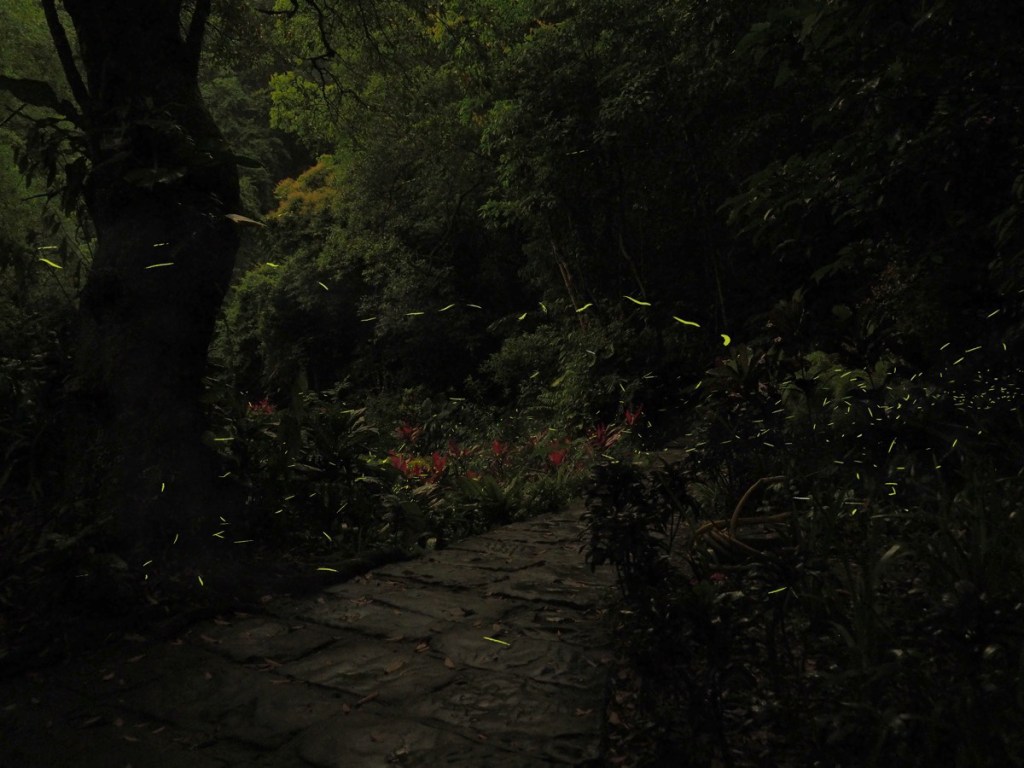 If you check online for the best places to see fireflies in Taipei, then one of the locations that appears in many of the lists is Dagouxi Waterfront Park. In fact, this is a little misleading since – while the walk does start there – you need to head a little further into the dark to spot any fireflies.
FIREFLIES at JINTONG COAL MEMORIAL PARK (菁桐煤礦紀念公園螢火蟲)
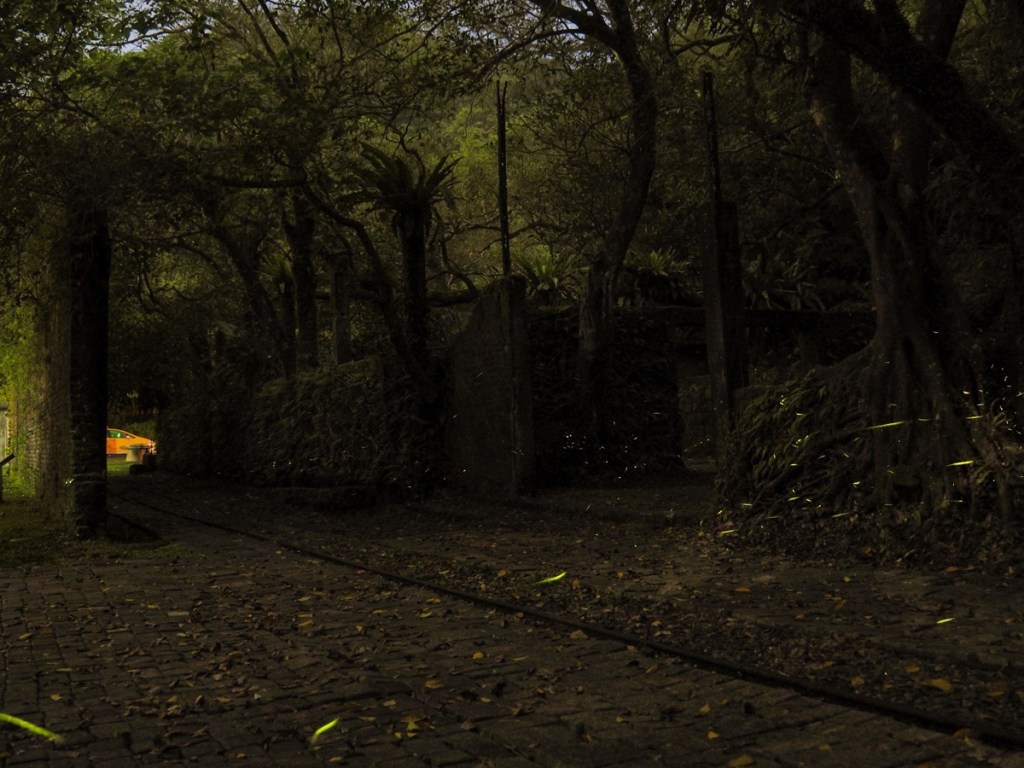 The ruins of the old Jingtong Coal Mine make for a unique backdrop to Taiwan’s April firefly viewing season.
LONGGUOMAI FOREST TRAIL (龍過脈森林步道)
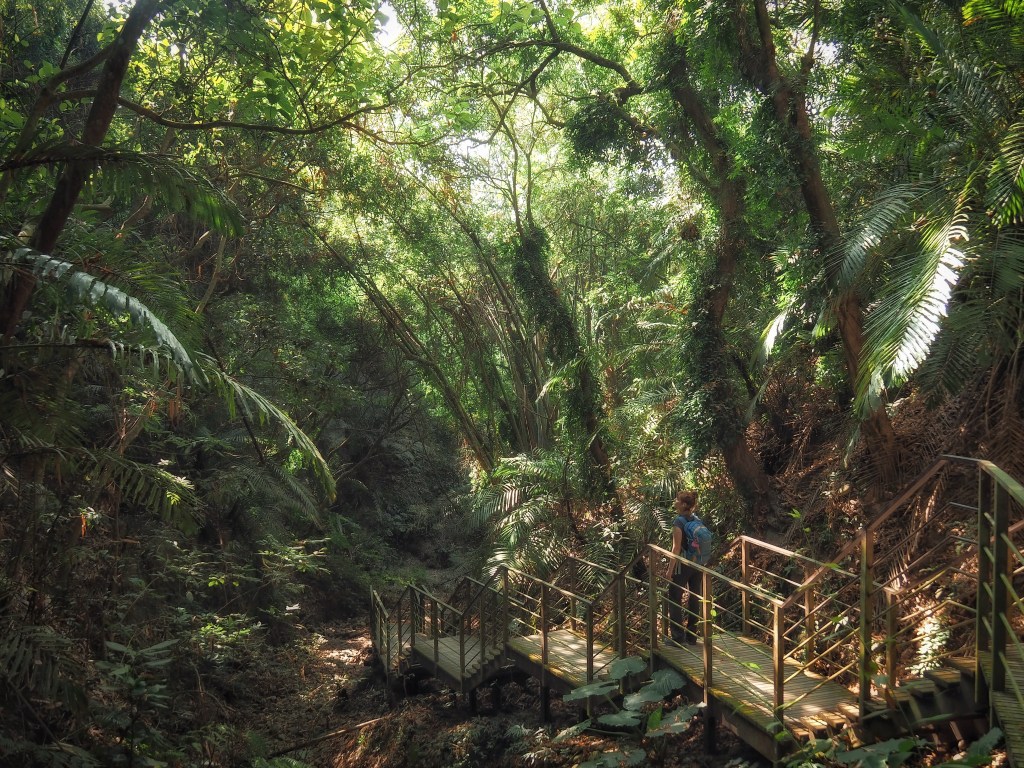 Connecting the two rural towns of Linnei and Pingding, Longguomai Forest Trail is a scenic wander through some of Yunlin’s hillier landscapes. Along the way visitors can expect to see monkeys and a whole lot of birdlife.
Something went wrong. Please refresh the page and/or try again.
Taiwan’s Seasonal Calendar
PLUM BLOSSOM
(January – February)
Taiwan’s plum blossom season is generally close to the start of the year. These hardy yet dainty blossoms are Taiwan’s national flower (symbolising strength in the face of hardship), and they can be distinguished from cherry blossoms primarily through their rounded petal shape. There are varieties in shades from cream to vivid magenta.
CHERRY BLOSSOM
(January – March)
Cherry blossom viewing in Taiwan has become almost as big a deal as it is in neighbouring Japan. Sakura seekers flood the hills and mountain parks in search of this pretty blossom towards the end of every winter. Colours vary from light to dark pink, and they can be distinguished from plum blossoms from the little notch in the centre of each petal.
AZALEAS
(March – April/June)
Taipei Azalea Festival happens each March in Da’an Park, but hikers can see these colourful flowers for almost half the year if they’re willing to climb. These flowering rhododendrons occur at all elevations in Taiwan with the higher plants tending to bloom later in the year. My favourite is the seductively coloured Yushan rhododendron, pale pink petals fringed with a darker shade and a centre streaked with a deep pink hue.
GREY-FACED BUZZARDS
(March – April or October)
Grey-faced buzzards are a migratory species in Taiwan. Early in the year you can see them in Taichung and Changhua heading north to their breeding grounds, then in October they flood the skies about the Hengchun Peninsular on their way south again.
FIREFLY SEASON
(Early April – Early May)
Taiwan’s main firefly viewing season is between April and May, although in fact you can see different varieties year round.
TUNG BLOSSOM
(Mid April – May)
The white tung blossom that cloaks hillsides in April to May each year is known as April (or May) snow, and is synonymous with the Hakka people. The Hakka folk who settled in Taiwan used the tung tree’s wood and oil for many different things, and this season is now a kind of celebration of Hakka culture.
LAND CRAB SPAWNING SEASON
(July – October)
For a three days around each full moon between July and October you will find land crabs making the long and dangerous journey from their forest homes to the ocean spawning ground. This annual event draws many volunteers who man the roads around dusk to prevent the crabs from getting squashed.
SILVERGRASS
(October/November – January/February)
Also known as miscanthus or pampass grass, this is one of Taiwan’s more large scale seasonal displays. The timing of Taiwan’s silvergrass season varies depending on the temperature, and in particularly wet years it can be a bit of a wash out. On sunny winter days though, there is little that’s more spectacular than a silvergrass cloaked hillside being gently rippled by the wind.
 Taiwan Trails and Tales