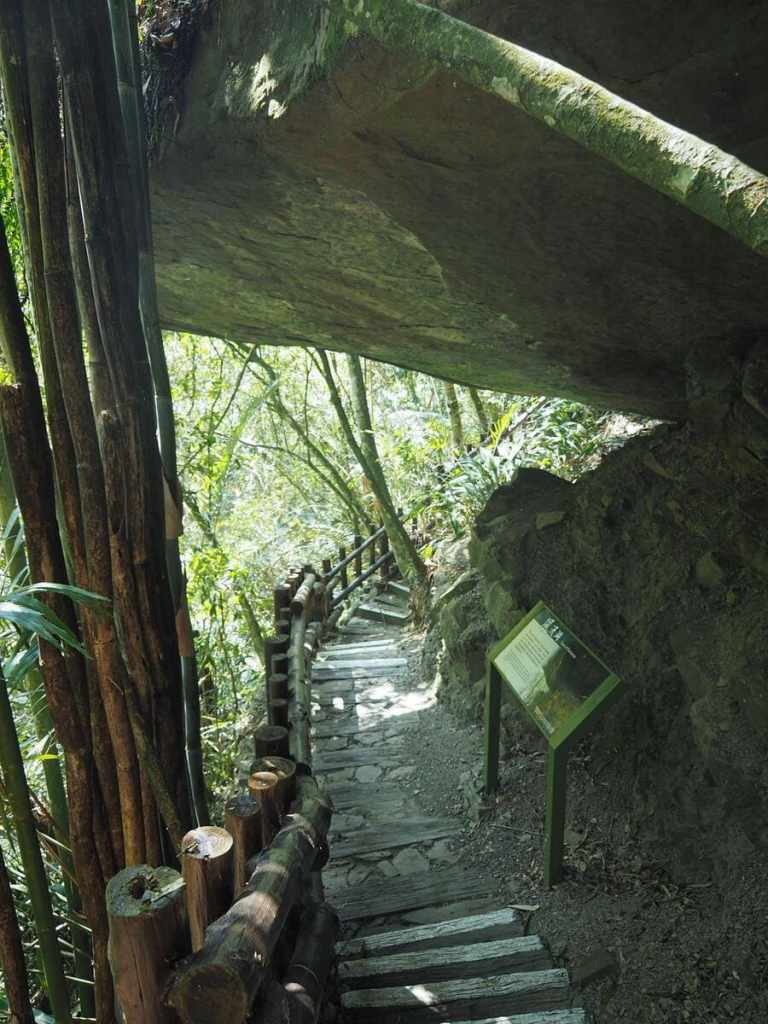
The small village of Lijia — known as Niae’ucna to its 300-odd Tsou inhabitants — sits deep in the hills of Chiayi County. There is little to do here except for soaking in the sights and sounds of nature or going for a short stroll on one of the village’s trails, such as the loop detailed here. The Romantic Cave Trail takes you on a brief wander past a couple of spots that hold spiritual or cultural significance to the tribesfolk, and as such, it is a great way to simultaneously enjoy nature and learn more about the village.
Distance: 1.3 kilometres. You could extend this by a couple of hundred metres to include a quick visit to Lijia Tribute Stone and Maple Viewing Trail.
Time: 40-60 minutes.
Difficulty: 1-2/10 – For regular and new Taiwan hikers alike, the walk itself is very easy, but getting to the trailhead requires your own form of transport and a strong stomach.
Total ascent:
Water: 0.5L would be ample.
Shade: Mostly pretty well-shaded.
Mobile network: Clear throughout.
Enjoyment: Thanks to the excellent information boards located along the way, this trail offers an excellent insight into the life and culture of Lijia’s residents.
Bathroom facilities: There’s a toilet block close to the trailhead.
Route type: Loop
Permit: None needed
Jump to the bottom of this post for a trail map and GPX file.
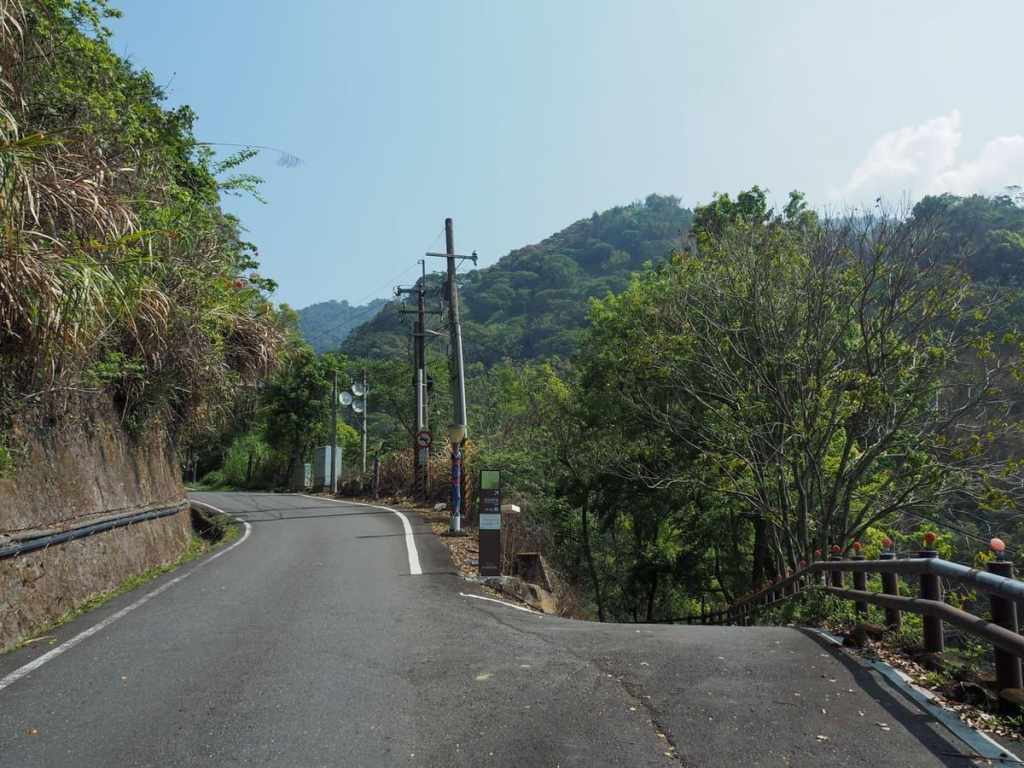
If you’ve already made it to the village of Lijia, you’ll have to backtrack a little in order to find the entrance to this trail. It starts down a track just off the road connecting Lijia with the rest of the outside road.
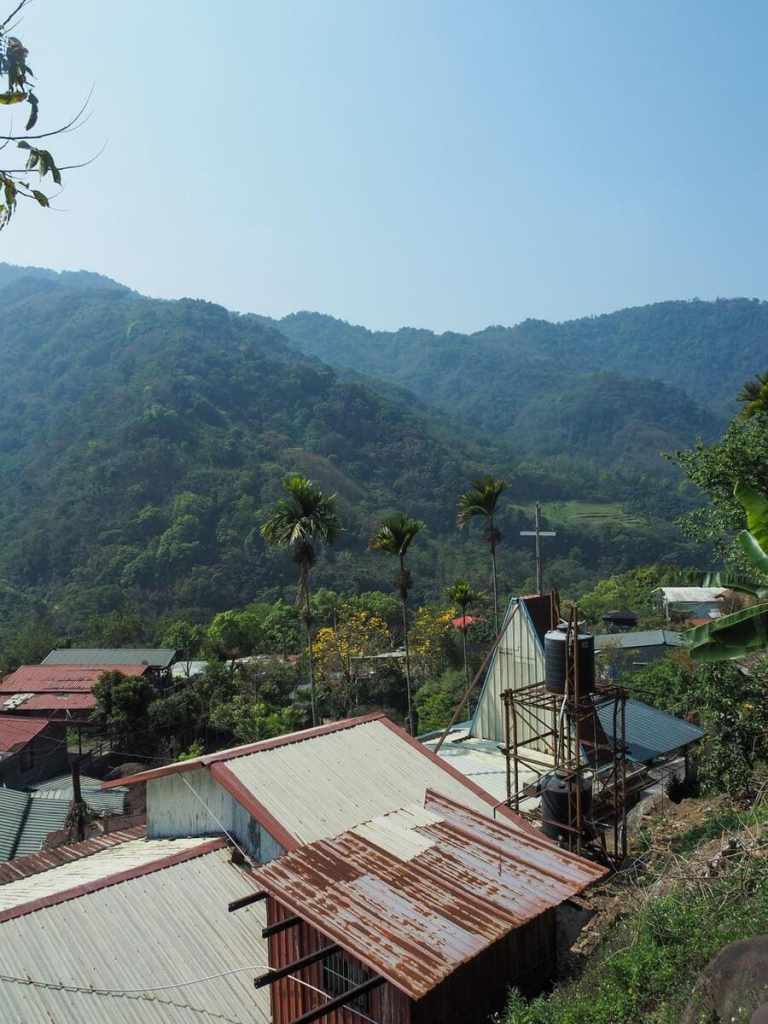
From the top of the track, you can enjoy a view over some of Lijia’s buildings, including the tin-roofed church.
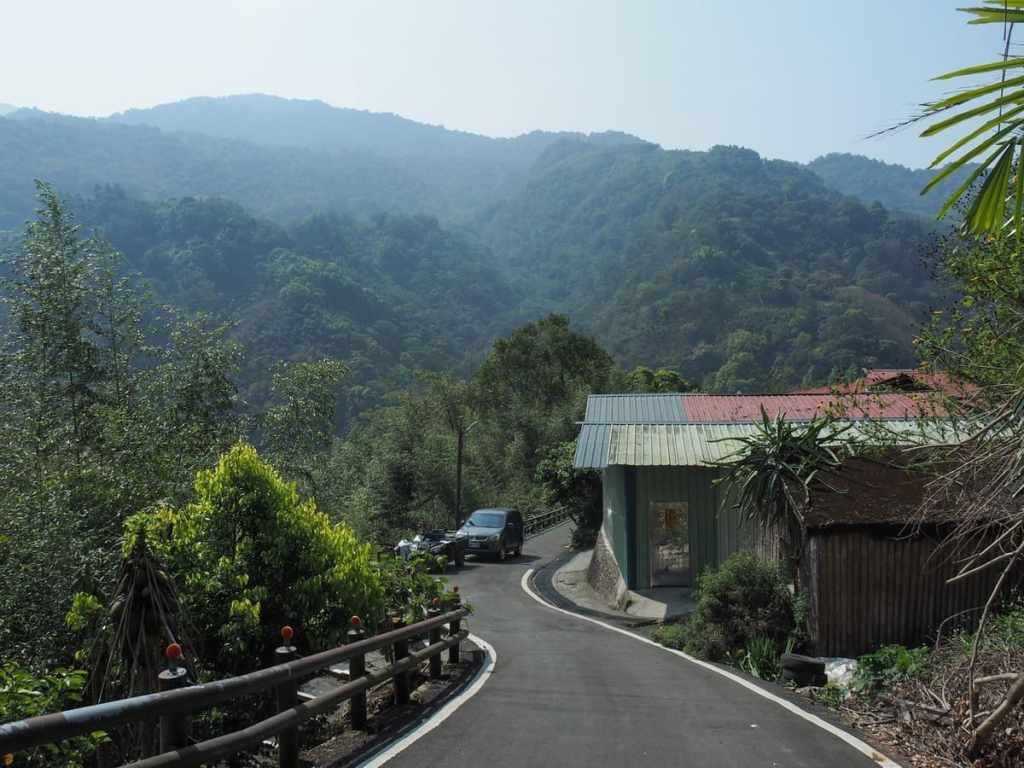
Look out for the steps doubling back to the left. This is where the trail begins.
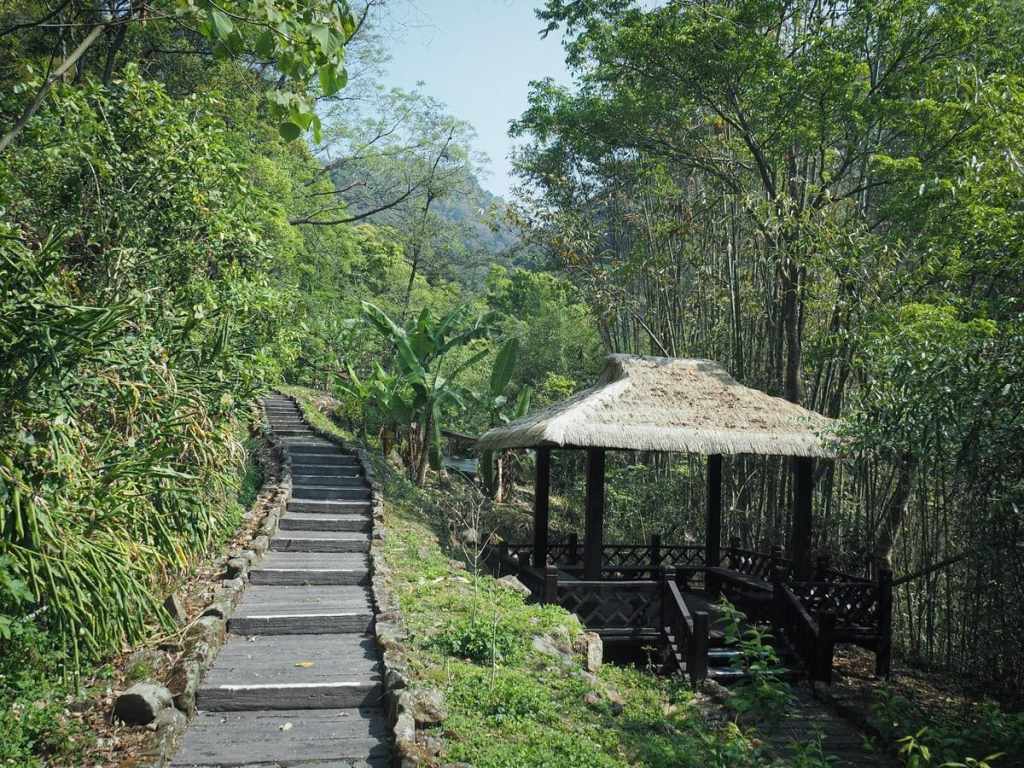
A thatch-roofed pavilion sits beside the trail.
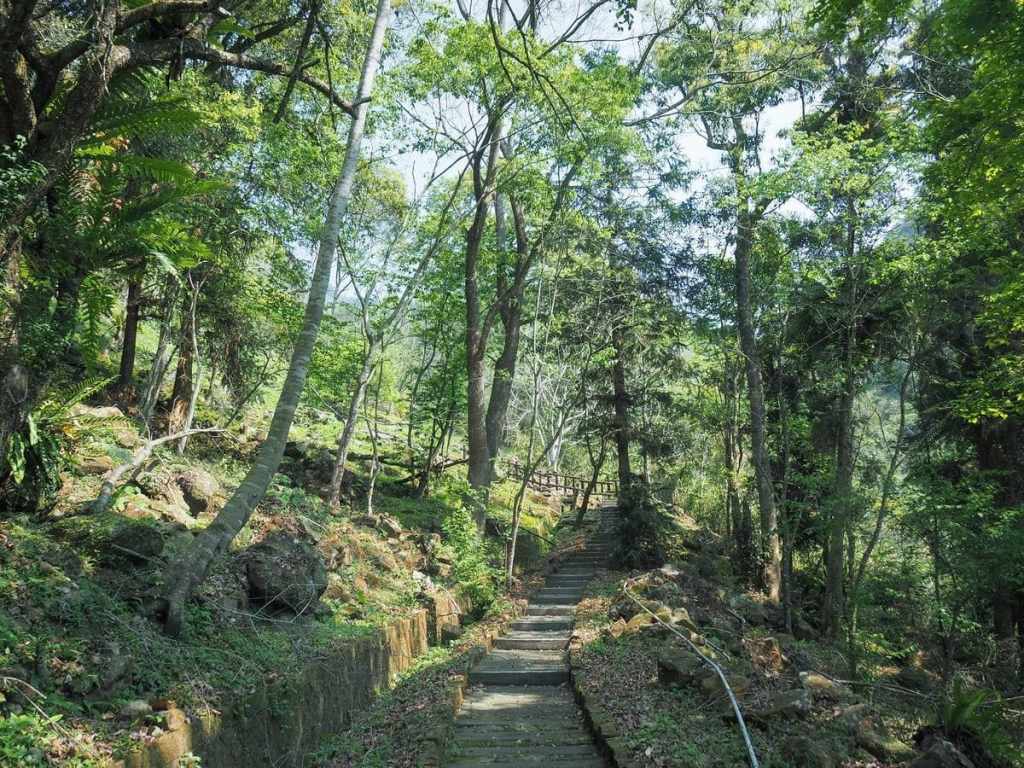
The first section runs through forest that feels like it must have been cleared not so long ago.
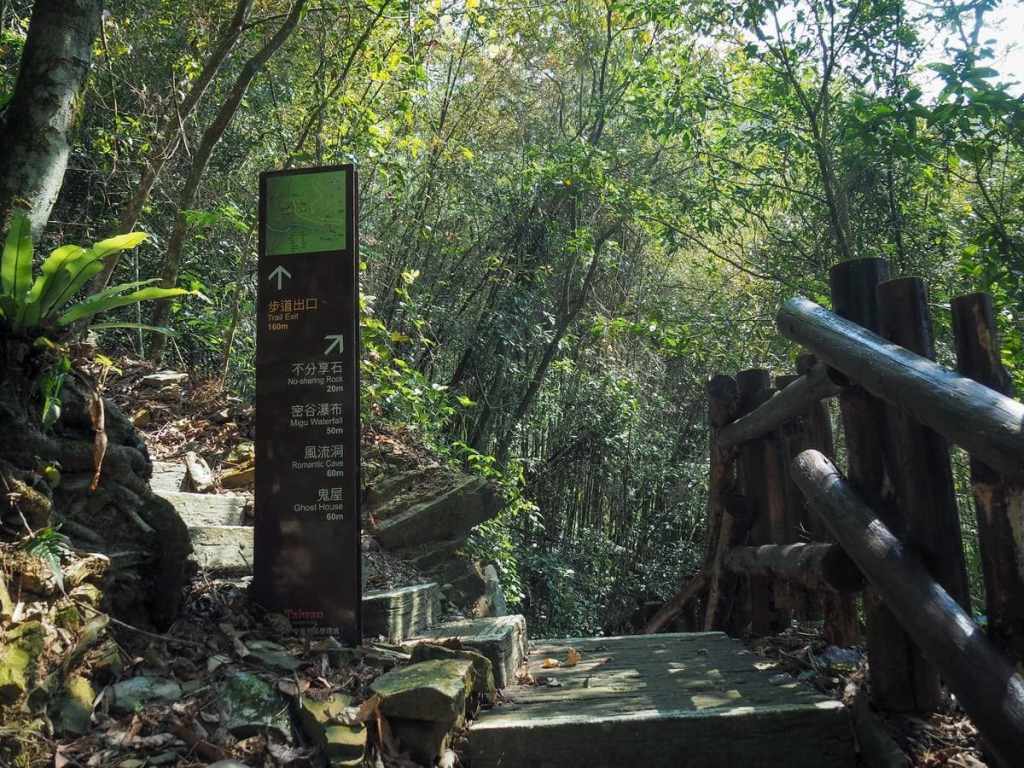
Follow the path as it makes its way to a junction, then pass straight over and down to what looks like a picnic table. (Later the path returns to this point.)
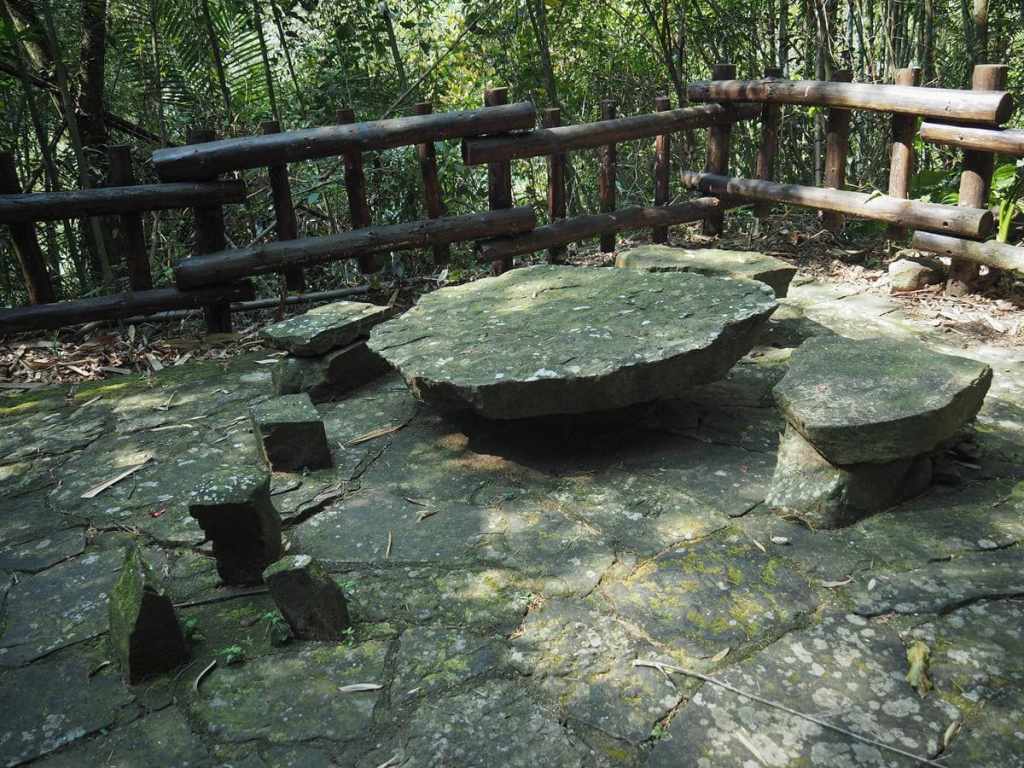
The picnic table, as it transpires, is known as “No Sharing Rock” (不分享石). According to the story recounted on a nearby information board, the three upright stones clustered tightly together are a shared fire pit, and as per Tsou custom, food cooked on the communal fire pit should be shared among the tribesfolk. But 300 years in the past, when Lijia wasn’t yet settled, a greedy (or maybe just hungry) hunter caught and killed a wild boar, then hid out here in the forest, cooking it over the fire pit and enjoying it all by himself. When his elders found out, they gave him a public beating and named the stone table “No Sharing Rock” to remind others not to make the same mistake.
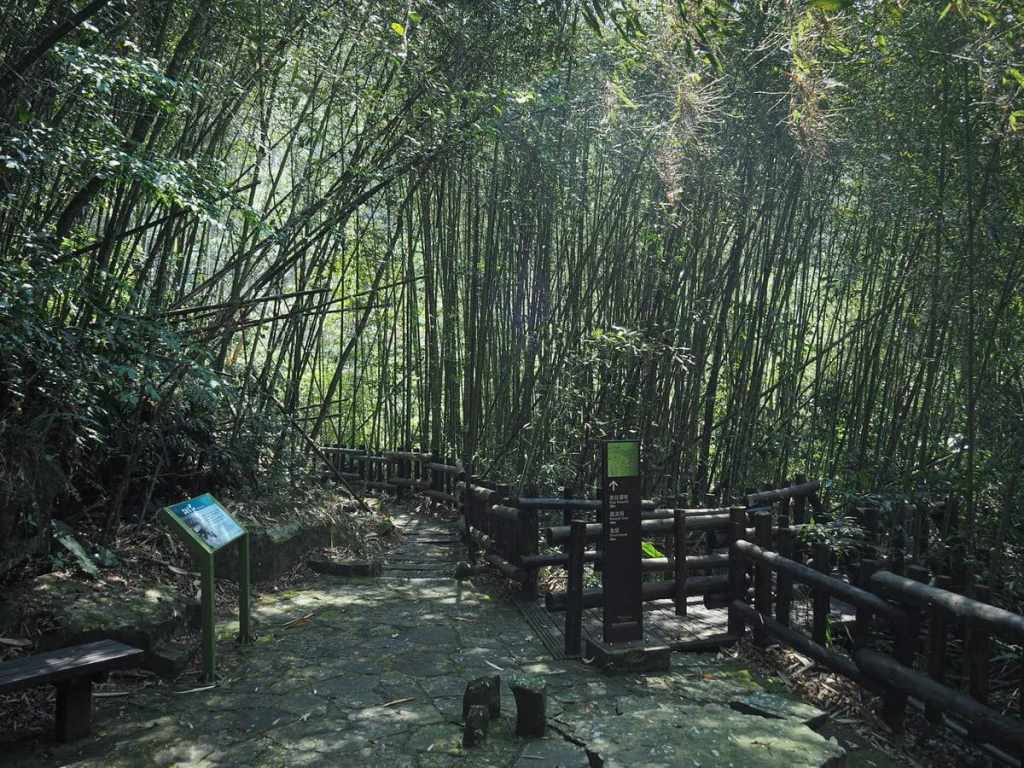
The trail makes a little loop from here, so you can choose to head either way, but I picked the righthand fork.
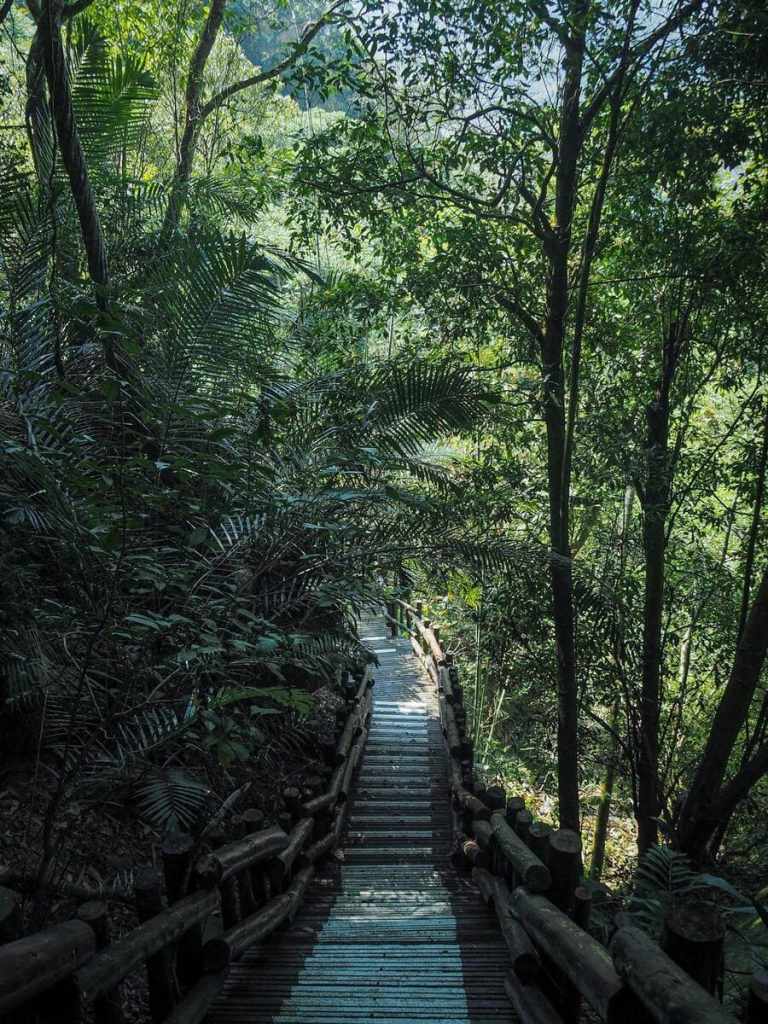
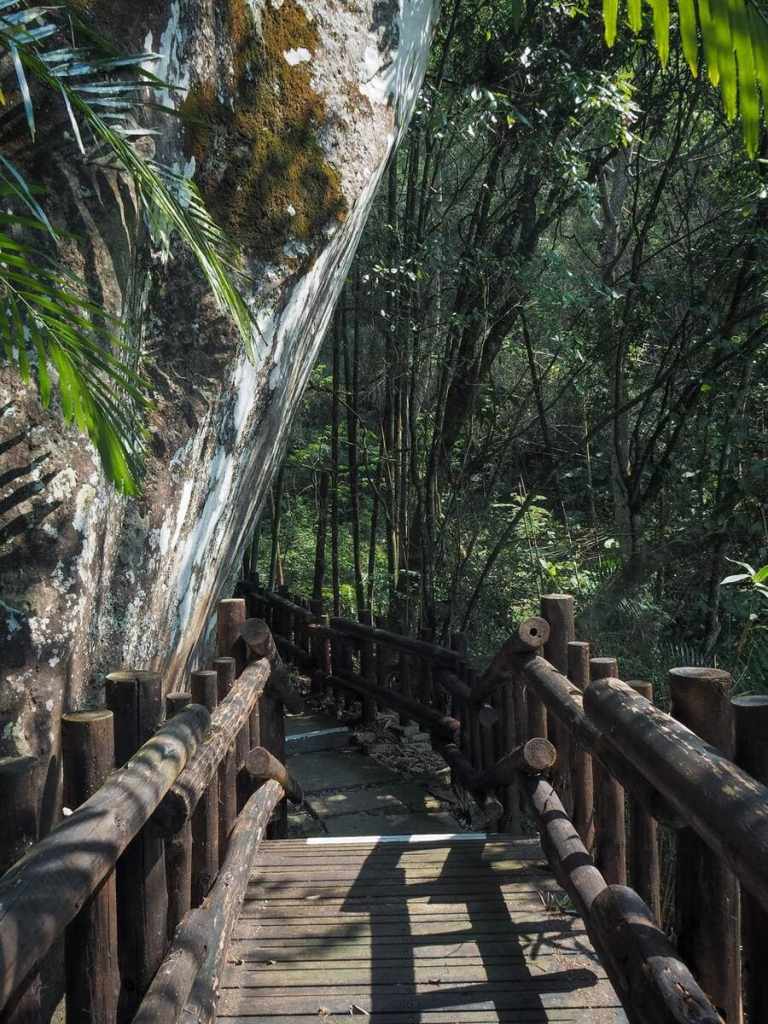
Wooden steps lead steeply down through thick forest and past imposing rocks.
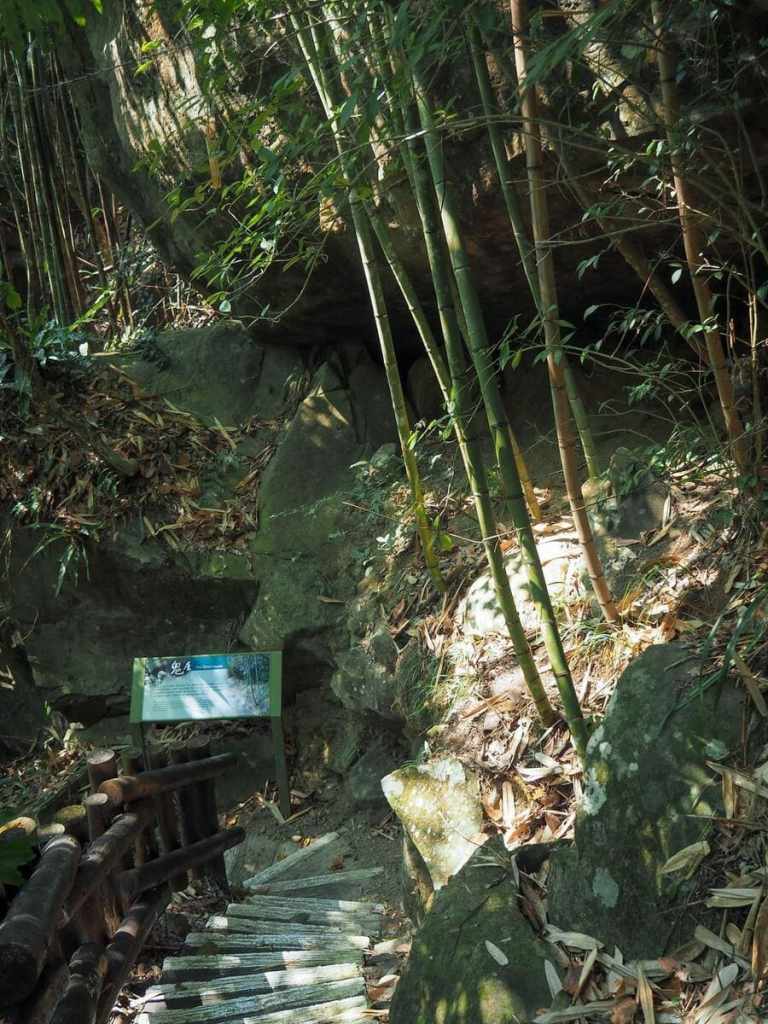
One such imposing rock is known as the Ghost House (鬼屋). The English (and indeed, the Mandarin) name is a little misleading because in the local Tsou language, there is no differentiation between god and ghost and spirit. In the Tsou tongue, it would be clear that this is a sacred place.
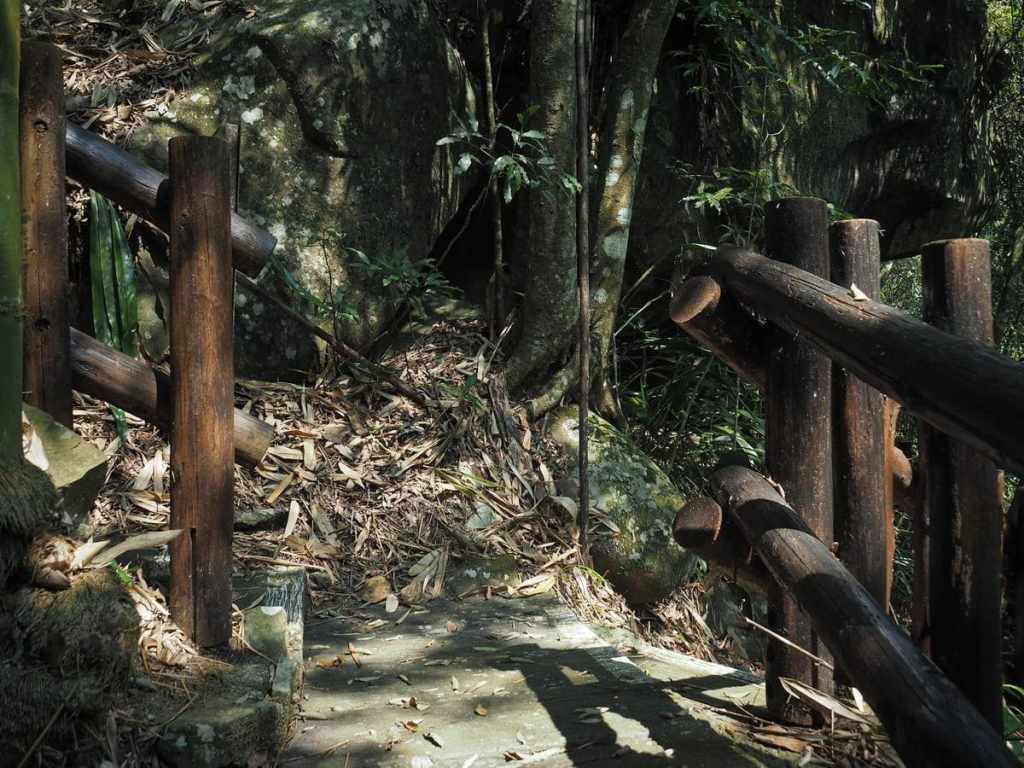
Heading onwards, the path reaches another junction, keep right and follow the sign pointing towards the Romantic Cave.
The cave is less of a cavern and more of a sheltered overhang, and it seems this little corner of Lijia is home to numerous stories. In the case of the Romantic Cave, this is where not-yet-wed couples could come to let “their expressions of love” be “witnessed by the spirits”. Whoever did the translation work on this sign did a cracking job of turning what is essentially a hangout for horny teens into something that sounds spiritual and meaningful. In fact, all the signs here are of a higher-than-average standard in terms of how well they’ve been translated and how interesting the information is. Big thumbs up to whoever is responsible.
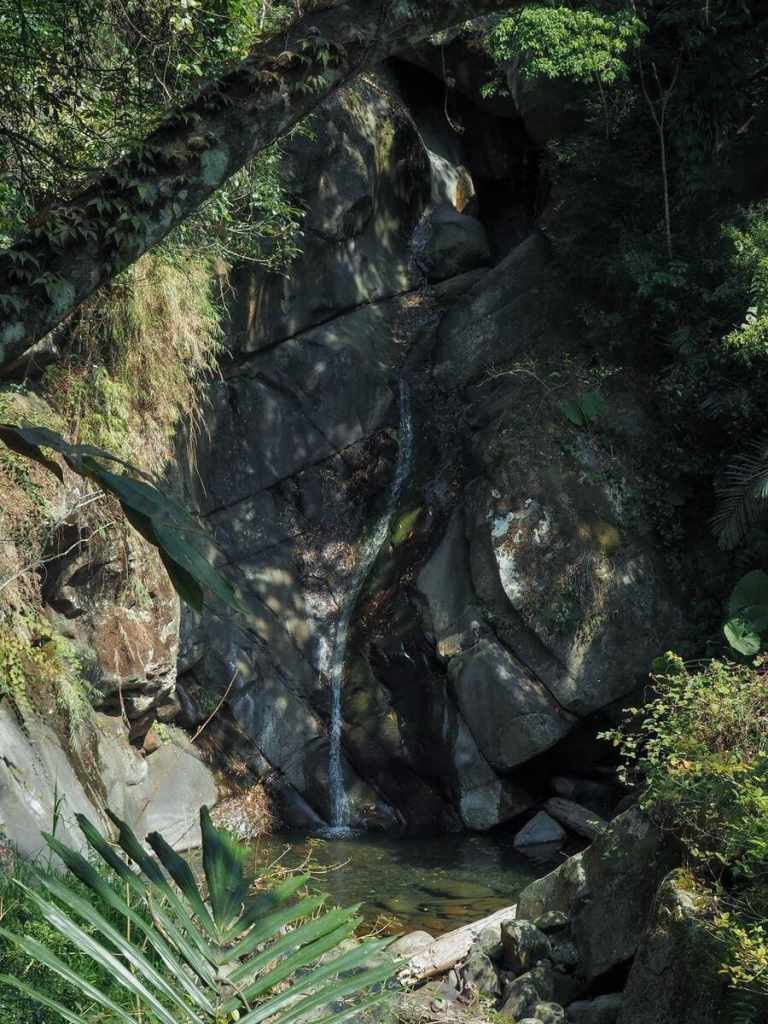
A little further up, the trail passes Hidden Valley Waterfall.
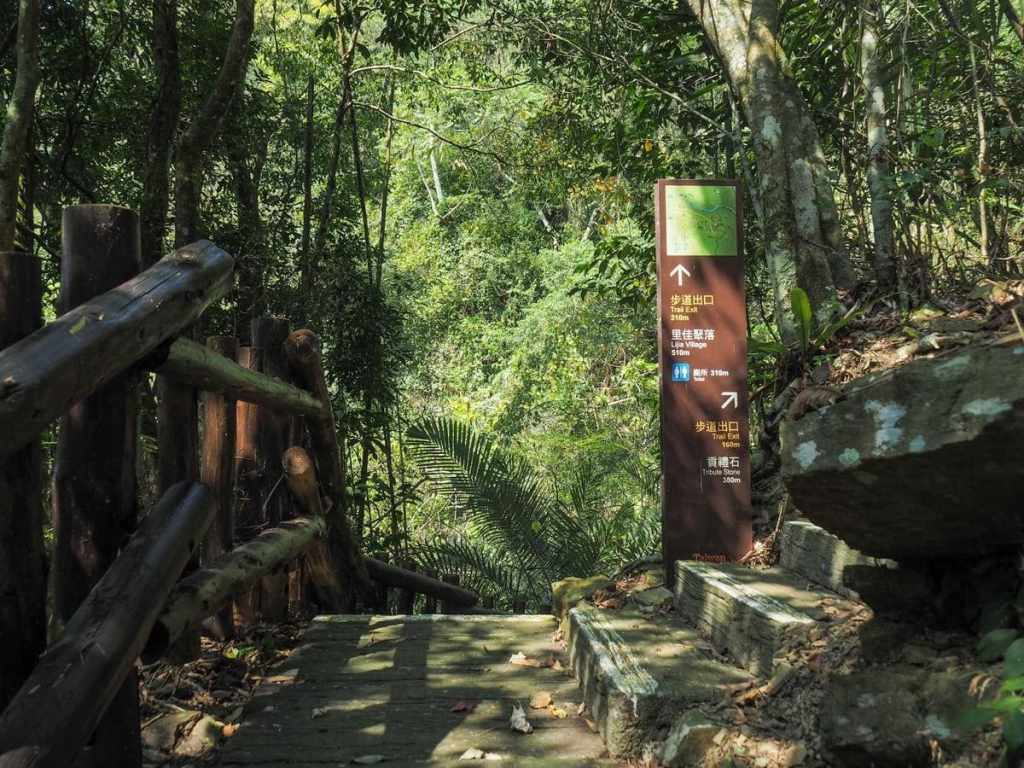
Then it doubles back on itself and returns to the No Sharing Rock Clearing. Just past the clearing, take the right turn heading uphill.
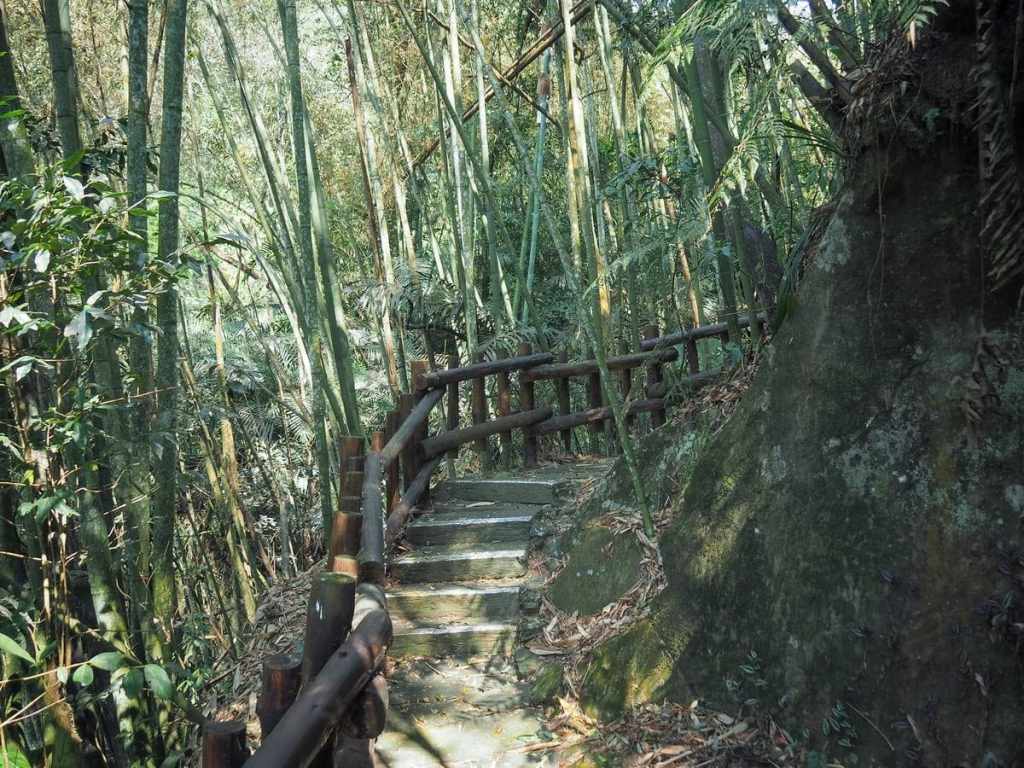
As I was walking up through the bamboo here, I spotted a muntjac scampering off through the valley.
Where the trail joins the road, you can either take a left and head back to where you started, or follow the road right to reach Lijia’s Tribute Stone. I did the former, but if you do the latter, you can walk another 200 metres on from the stone and take the Maple Viewing Trail back down to where you started.
How to get to Lijia
Google Maps address: The walk starts close to the village’s church, and you should be able to find apace to park near the information centre.
GPS location: N23 24.350 E120 43.320
Public transport: There is no public transport to this location.
Lijia Romantic Cave Trail Map
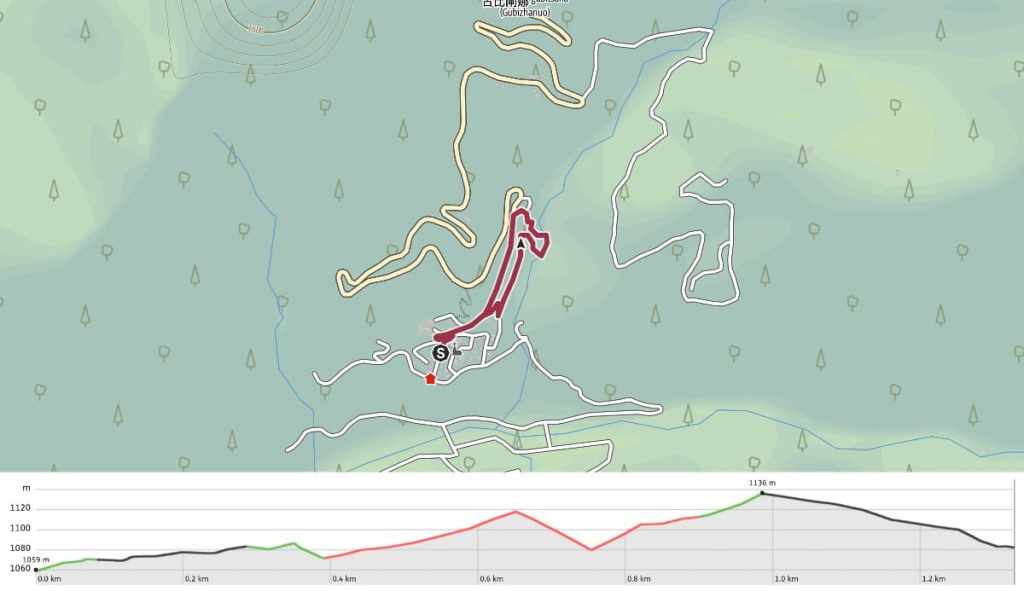
GPX file available here on Outdoor Active. (Account needed, but the free one works just fine.)
 Taiwan Trails and Tales